A guest reports that the air conditioning is struggling on a Friday afternoon. A storm has moved through Lake Texoma. The next check-in is only hours away, and the owner lives several states away. In that moment, the question is not theoretical: are local inspections necessary for a short-term rental? For most remotely owned vacation properties, the answer is yes.
A listing can be managed from anywhere. A property cannot. Bookings, messages, calendar updates, and pricing can all be handled digitally, but water leaks, storm debris, HVAC issues, missing supplies, and cleaning misses require someone who can physically verify conditions. Local inspections create the operating visibility that absentee owners need to protect the asset and keep it ready for paying guests.
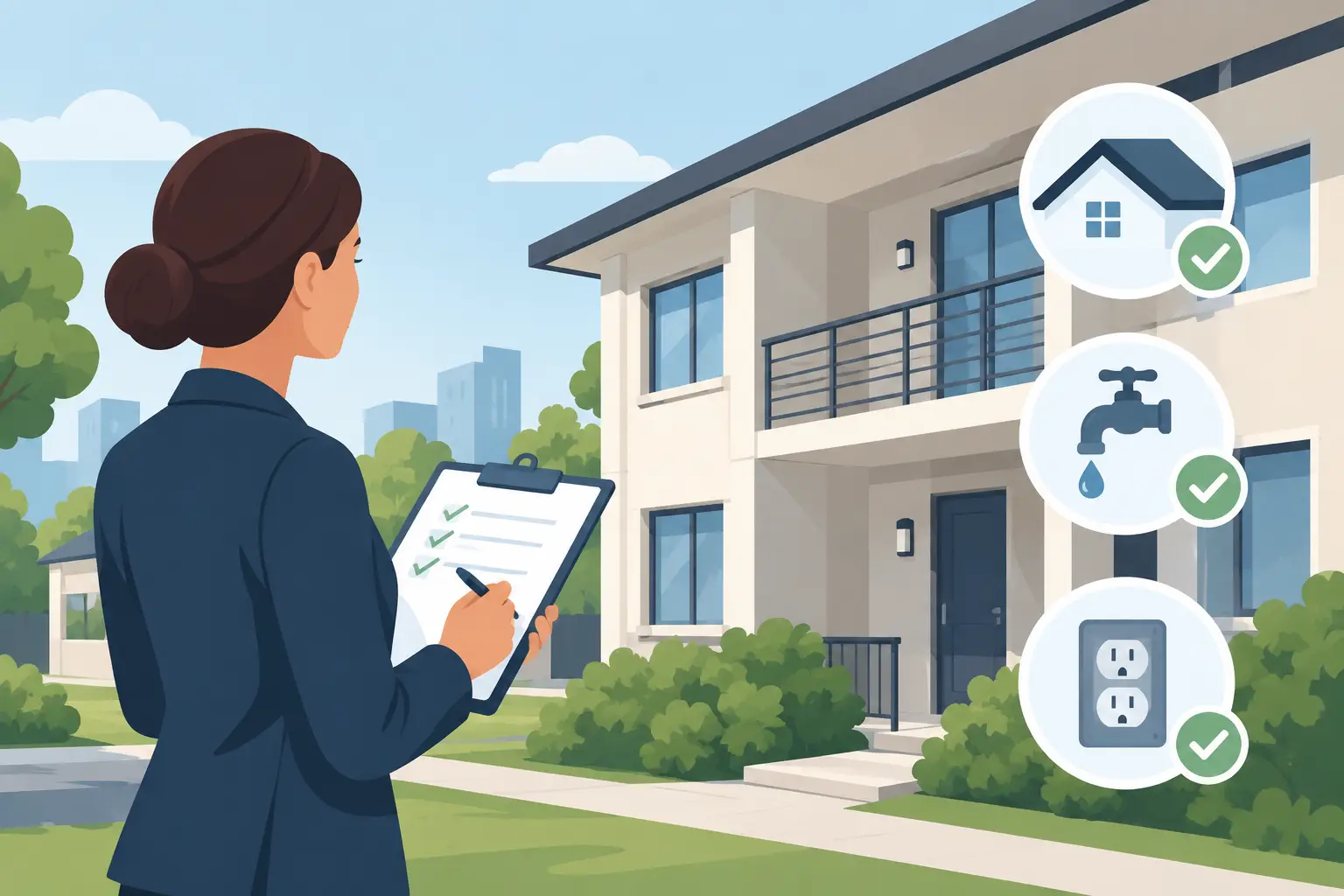
A local inspection is more than a quick walk-through after a guest departs. It is a structured, on-site review of the property’s condition, safety, presentation, and immediate operational needs. The scope should match the property, season, guest volume, and current risk factors.
For a Lake Texoma rental, a useful inspection typically checks exterior access, driveway and walkways, gates, decks, grills, landscaping, and signs of weather-related damage. Inside, the focus shifts to HVAC performance, plumbing, appliances, lights, locks, smoke and carbon monoxide detectors, Wi-Fi equipment, furnishings, and inventory. The objective is not to create paperwork for its own sake. It is to identify issues while they are still manageable.
Cleaning inspections are equally important. A completed turnover does not automatically mean a home is guest-ready. A disciplined quality check confirms that bathrooms, kitchen surfaces, linens, floors, trash removal, and high-touch areas meet the expected standard. It also catches details that can lead to poor reviews, such as a depleted coffee supply, a missed stain, a burned-out entry light, or a thermostat set incorrectly.
Not every property needs the same inspection frequency. A newer condo with consistent bookings and an established building maintenance team may require less direct oversight than a large lake home with outdoor amenities, a private dock, multiple HVAC zones, and seasonal exposure. But fewer inspections should not mean no local accountability.
The strongest approach is risk-based. Properties need more attention when they have frequent turnovers, sit vacant for extended periods, experience severe weather, undergo repairs, or rely on several vendors. A home that has just hosted a large group may need a closer post-stay review than one occupied by a repeat guest for a quiet midweek visit.
There is also a difference between operational inspections and government or compliance inspections. Local property checks do not replace fire code requirements, municipal registration obligations, insurance inspections, or any applicable HOA rules. They support compliance by helping owners identify issues early, but each owner should understand the standards that apply to their specific location and property type.
Distance changes the cost of small problems. An owner who lives nearby can drive over after a storm, meet a plumber, verify that a cleaner completed the job, or reset a tripped breaker before a guest notices. An out-of-area owner must rely on someone else to do that work accurately and quickly.
Without a local inspection process, most remote owners are forced into reactive management. They learn about problems from guests, neighbors, cleaners, or vendors after the issue has already affected the stay. That can mean a refund, a canceled reservation, an emergency repair bill, or a negative review that lowers future booking performance.
Consider a slow leak under a kitchen sink. It may begin as a minor maintenance item, but if the home sits empty for two weeks, it can become cabinet damage, flooring damage, mold risk, and a larger insurance conversation. The same principle applies to a failed exterior light, low propane, a damaged dock gate, or an HVAC drain line that starts backing up during a summer booking period.
Local inspections create a documented baseline. When an issue is found, the manager can coordinate the appropriate vendor, confirm work is completed, and verify that the property is ready before the next arrival. That structure protects both the guest experience and the owner’s ability to make informed decisions.
A fixed monthly schedule can be useful, but it should not be the only trigger. Short-term rentals operate on an active calendar, and inspection timing should follow the conditions that create risk.
A practical inspection plan often includes routine property reviews during lower-occupancy periods, quality assurance following turnovers, and additional checks after major weather events or maintenance work. Homes with pools, hot tubs, docks, boats, fire pits, or extensive outdoor spaces may need more frequent on-site oversight because those amenities increase both maintenance demands and guest safety considerations.
Seasonality matters in North Texas as well. Summer heat places pressure on air conditioning systems. Spring storms can affect roofs, fencing, trees, and exterior furniture. Winter freezes can expose plumbing vulnerabilities, particularly in homes that are vacant between stays. A local operator can adjust the inspection plan as conditions change instead of treating every month the same.
The primary benefit is prevention, but the value reaches further. Regular inspections provide clarity about the property’s condition, vendor performance, supply use, and maintenance priorities. Rather than approving repairs based only on a text message or a single photo, owners receive better information about what happened, what is needed, and what can wait.
Consistent checks also improve guest readiness. Guests do not separate a cleaning issue from a maintenance issue when they leave a review. If the entry light is out, the Wi-Fi is offline, the grill is dirty, or the starter supplies are missing, the overall impression is that the home was not prepared. A local inspection process catches these operational gaps before they become public feedback.
Revenue protection is another factor. Avoiding one cancellation during a high-demand weekend can matter more than the cost of several routine inspections. Keeping the home ready also helps preserve occupancy momentum, pricing power, and repeat-booking potential. The goal is not simply to avoid emergencies. It is to operate a property that consistently earns guest confidence.
An inspection process should be defined, repeatable, and visible to the owner. Vague promises to “keep an eye on the property” are not enough when an income-producing asset is involved. Owners should know what is being checked, when checks occur, how findings are documented, and who is responsible for resolving identified issues.
The most effective local management teams coordinate inspections with cleaning, maintenance, and guest operations. If a cleaner notices a damaged blind, the issue should not disappear into a disconnected message thread. It should be logged, evaluated, assigned to the right vendor if needed, and verified after repair. That coordination reduces delay and prevents small items from being overlooked between bookings.
Vendor accountability matters as well. A vendor may report that a repair is complete, but an on-site review confirms whether the work meets the property’s standard and whether it affected anything else. For remote owners, that final verification is a meaningful control point.
A short-term rental is not passive simply because reservations are automated. It is an active hospitality operation with a physical asset at its center. The owner may not need to handle every task personally, but someone local needs clear responsibility for property condition, guest readiness, and vendor follow-through.
Texoma Host Solutions approaches local oversight as part of full-service coordination, not as an occasional add-on. Property checks, hospitality-grade turnover standards, supply monitoring, and vendor coordination work together to reduce owner burden while maintaining a clear line of accountability.
The right inspection schedule depends on the home, its amenities, its booking pace, and its exposure to seasonal conditions. What should not depend on luck is whether someone is available to see the property, assess a problem, and act before it affects your guest or your investment. For an owner managing from a distance, local inspections are not extra attention. They are the operational control that keeps a rental protected and performing.




 (903) 933-6100
 info@texomahostsolutions.com
