
A guest who finds sand on the floor, hair in the shower, or a missing bath towel rarely separates that issue from the entire stay. They see a property that was not ready for them. For remote owners, cleaning quality improvement is not a cosmetic task between bookings. It is a controlled operating process that protects reviews, prevents complaints, and keeps a Lake Texoma vacation rental ready to perform.
The challenge is that a turnover can look complete without actually meeting hospitality standards. Beds may be made, trash may be removed, and counters may appear wiped down, yet the details that guests notice first can still be missed. A reliable standard requires more than asking a cleaner to do a good job. It requires defined expectations, verification, supply control, and accountability after every departure.
Cleaning is one of the few parts of a guest stay that affects every room, every arrival, and nearly every review. Guests may forgive a dated cabinet or a minor maintenance issue when the home feels fresh, orderly, and cared for. They are much less forgiving when basic cleanliness signals poor oversight.
For owners, weak turnovers create costs beyond a refund request. A cleaning complaint can lead to poor ratings, lower conversion on future bookings, extra vendor dispatches, delayed check-ins, and more time spent managing an issue from a distance. Repeated inconsistency can also damage the property itself. Missed spills, damp towels, unreported stains, and unchecked appliances turn small problems into avoidable maintenance expenses.
At Lake Texoma, conditions add another layer of complexity. Lake traffic, outdoor entertaining, pets, seasonal pollen, mud, insects, and high guest turnover can put meaningful pressure on a home. A generic residential cleaning approach often does not account for those demands. Vacation rental cleaning must reset the property for a new guest, not simply make it appear acceptable after the last one.
A strong cleaning program begins with a documented definition of guest-ready. Without one, every turnover depends on an individual’s judgment, available time, and interpretation of what clean means. That is not a dependable system for an income-producing asset.
The standard should cover each area of the property, including kitchens, bathrooms, bedrooms, living spaces, outdoor areas, laundry, entry points, and high-touch surfaces. It should also distinguish between routine cleaning, deeper periodic work, and exception-based tasks after heavy use or a guest-reported concern.
In the kitchen, guest-ready means more than emptying the trash and wiping counters. Dishes must be clean and returned to the correct place, the refrigerator checked for leftover food, appliances tested for visible residue, and inventory reset to the expected level. In bathrooms, the standard should address fixtures, hair removal, towels, toilet paper, shower condition, mirrors, floor edges, and odor. These details are not excessive. They are the baseline guests use to decide whether they trust the rest of the home.
A defined standard also reduces confusion when a property has distinctive features. A home with a hot tub, boat parking, a fire pit, bunk rooms, a game room, or a large outdoor kitchen needs specific turnover instructions for those assets. The more features a home offers, the more important it is to assign responsibility clearly rather than assume someone will notice what needs attention.
A reusable master checklist is helpful, but a property-specific checklist is more effective. It should reflect the home’s floor plan, amenity package, guest capacity, storage locations, and recurring problem areas. If a certain bedroom is prone to missed dust under the bed or an exterior door frequently leaves debris in the entryway, those issues belong in the operating checklist.
Checklists should be practical enough to use under turnover pressure. Overly long documents can become background noise, while vague instructions leave room for inconsistency. The goal is clear completion standards that a trained cleaner or inspector can verify quickly.
Cleaning quality improvement fails when the process ends with the cleaner. A completed task is not always a verified result. Inspection creates the accountability that remote owners need and the consistency guests expect.
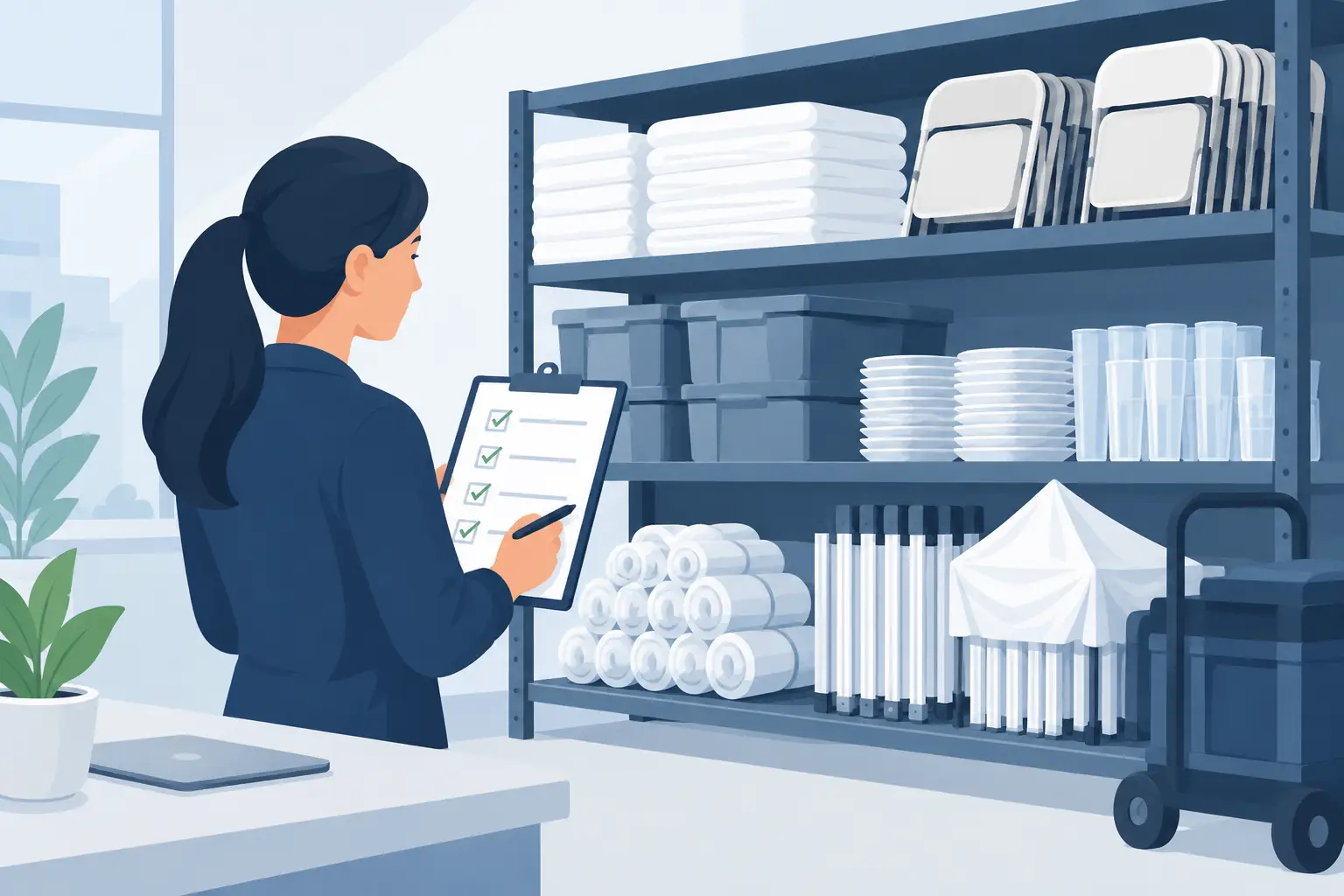
The most effective inspection happens after the turnover is complete and before the next guest arrives. It should focus on the guest’s first impression as well as common failure points: entry cleanliness, odor, floors, bedding presentation, bathrooms, kitchen readiness, visible dust, hair, trash, supplies, and amenity condition. Inspectors should also look for damage, missing items, and maintenance concerns that cleaning staff may uncover during the reset.
Photo documentation is especially useful for absentee owners. It creates visibility into how the property is being maintained and supports faster decisions when an issue needs escalation. Not every room needs excessive documentation on every turnover, but consistent proof of condition provides a valuable operational record.
There is a trade-off. Detailed inspections require time and coordination, particularly during back-to-back bookings. But reducing inspection to save a few minutes can create a much more expensive guest problem later. The right level of review depends on the property, booking pace, and risk factors, but high-traffic dates and same-day turns deserve additional attention.
One reason turnover quality breaks down is that cleaning and maintenance concerns get blended together without a clear handoff. A cleaner may see a loose towel bar, a leaking coffee maker, low batteries in a remote, or a damaged patio chair. Those items are not cleaning failures, but they directly affect guest readiness.
A disciplined process gives the cleaning team a simple method for flagging concerns, documenting them, and assigning the next action. The property manager then coordinates the right vendor, determines whether the item affects an upcoming stay, and keeps the owner informed when approval is needed. This separation prevents a cleaner from being expected to solve problems outside their scope while ensuring the issue does not disappear into a text thread.
Many cleaning complaints are actually supply failures. A spotless home still creates frustration if the guest arrives to one dishwasher pod, no coffee filters, an empty hand soap dispenser, or insufficient towels for the advertised occupancy.
Supply monitoring needs established par levels, which are the minimum quantities that should be in place before a guest checks in. The correct levels vary by home. A two-bedroom condo with short weekend stays needs a different supply plan than a large lake house hosting families for a week. The key is to set the standard based on guest capacity and booking patterns rather than replenishing supplies only when someone notices they are low.
Owners should also avoid confusing economy with inconsistency. Buying the least expensive consumables can be reasonable when quality is acceptable, but changing brands or quantities unpredictably creates uneven guest experiences. Standardized products make restocking easier, reduce unnecessary substitutions, and help cleaners recognize when inventory is missing.
A single complaint does not always mean the system is broken. It may be an isolated miss, a difficult prior guest, or an issue that developed after inspection. Patterns are what require operational change.
Track cleaning-related guest feedback by category. Common categories include hair, odor, floors, linens, bathrooms, kitchen items, outdoor areas, missing supplies, and check-in condition. Over time, this record shows whether a problem is tied to a certain day, property feature, turnover team, booking type, or inspection gap.
The response should match the cause. If guests frequently mention sandy floors, the answer may be a revised entryway procedure and more attention to exterior mats. If bathroom complaints increase after short back-to-back stays, the team may need more turnaround time or a second inspection on peak dates. If missing towels recur, the issue may be laundry capacity or inventory control rather than cleaning effort.
This is where local management makes a difference. A physically present operator can see recurring conditions, coach vendors directly, and adjust procedures based on what is happening at the property. Texoma Host Solutions coordinates hospitality-grade turnover support with local oversight so cleaning is treated as part of asset performance, not an isolated errand.
Even well-run operations will occasionally face a missed detail or unexpected condition. The difference is how quickly the issue is recognized, communicated, and corrected. A recovery plan should identify who receives the guest concern, who can dispatch help, what authority exists for immediate remedies, and how the root cause will be documented afterward.
Fast response matters, but so does accurate response. Sending a cleaner without confirming the issue can waste time, while debating a guest’s complaint can make a manageable problem feel larger. A local team that can assess the condition and coordinate a correction gives owners more control without requiring them to manage a crisis from another city.
After a recovery, update the process if needed. If the same type of miss happens twice, it deserves more than an apology. It needs a checklist adjustment, added inspection point, supply change, training conversation, or vendor review.
The strongest cleaning operation does more than prepare for the next reservation. It creates a repeatable record that the home is being cared for between guests. That protects finishes, furnishings, appliances, linens, and owner confidence over time.
For a vacation rental owner, the practical question is not whether a cleaner can make the home look good on a normal day. It is whether the entire turnover system can deliver the same guest-ready condition during busy weekends, seasonal demand, and unexpected issues. When cleaning is managed with standards, inspections, communication, and local accountability, each departure becomes an opportunity to protect the property before the next guest arrives.


 (903) 933-6100
 info@texomahostsolutions.com
