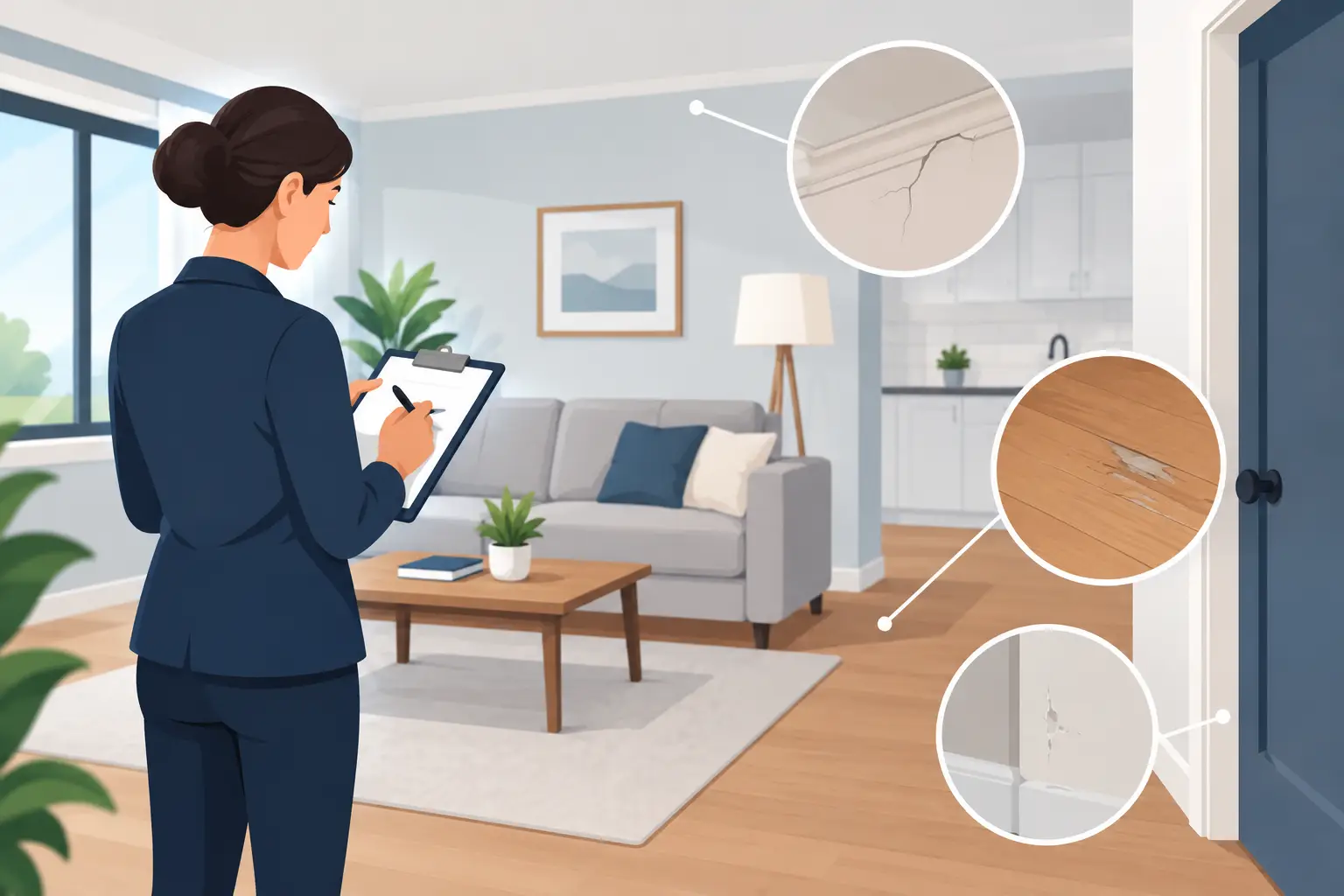
A same-day turnover is not the time to rely on a quick walk-through and a cleaner’s general impression. Knowing how to inspect rental damage with a consistent, documented process protects the condition of your property, supports fair guest accountability, and keeps small problems from becoming expensive repairs. For remote owners around Lake Texoma and North Texas, that process also provides the visibility that a text message saying “everything looks good” cannot.
The goal is not to search for reasons to charge guests. It is to identify changes in the property promptly, separate legitimate damage from normal wear, document facts clearly, and return the home to guest-ready condition before the next arrival. The inspection should be structured enough that different team members reach the same result every time.
Damage inspections work best when they are part of the turnover sequence, not a separate task performed only when something appears seriously wrong. The person entering after checkout should complete an initial condition check before cleaning begins. This establishes what the departing guest left behind and prevents a later repair or cleaning activity from complicating the record.
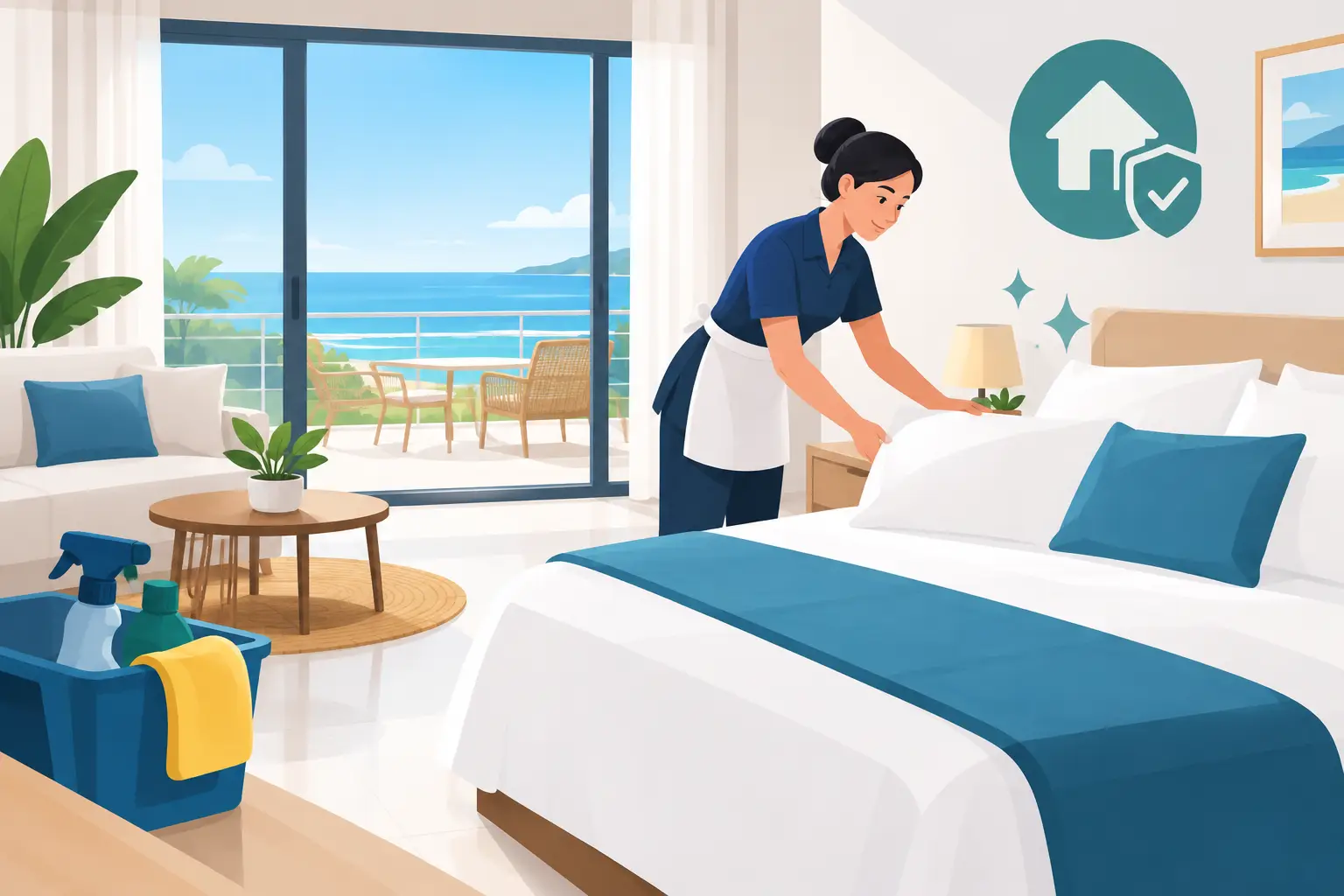
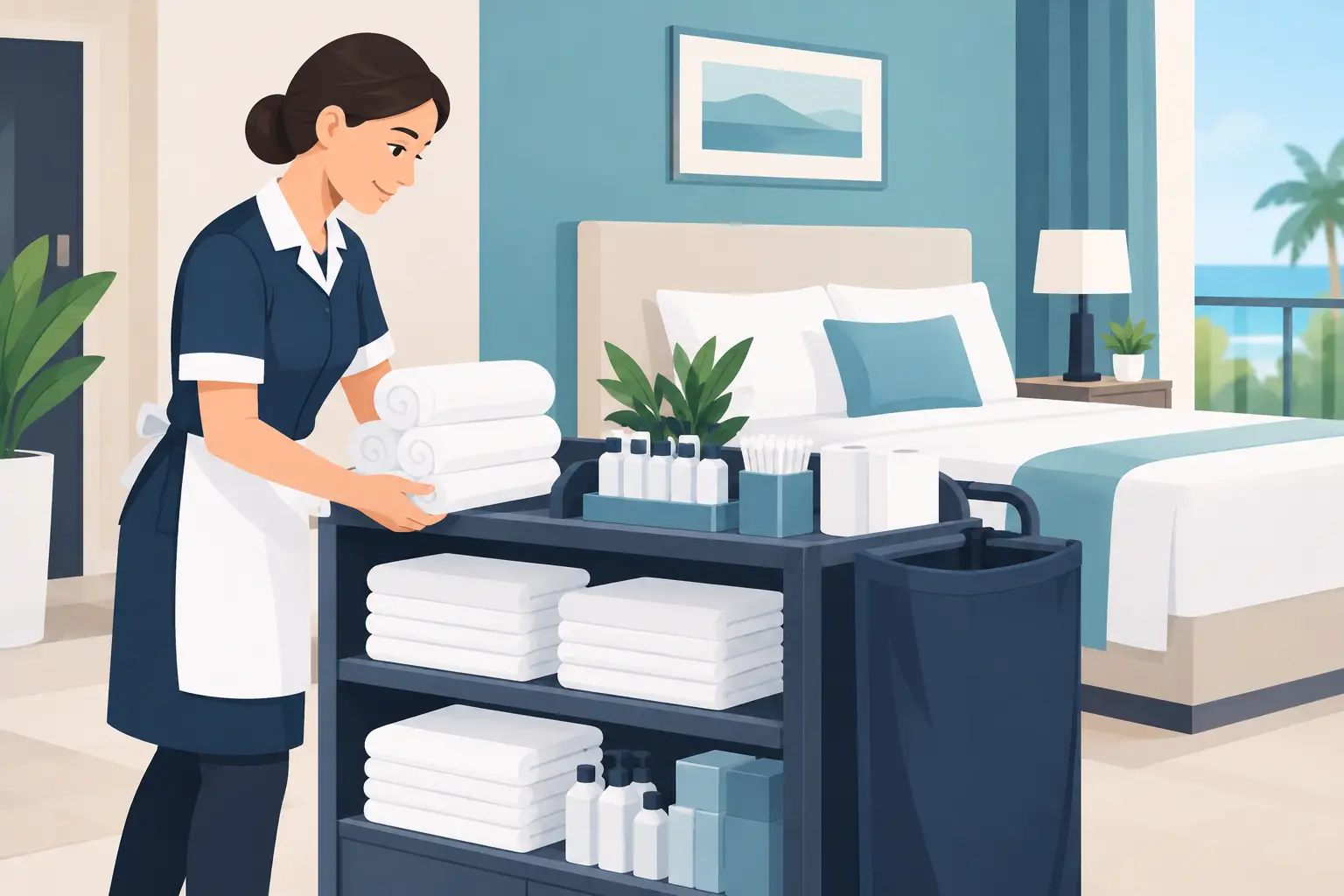
After cleaning and restocking, a second guest-ready check confirms that the home is safe, functional, and presentable for the incoming reservation. This two-step approach matters because some issues are obvious at checkout, while others become visible only after beds are stripped, trash is removed, appliances are opened, and surfaces are cleaned.
For properties with same-day turns, speed matters, but speed should not eliminate control. Use a standard inspection sequence, require time-stamped photos when an issue is found, and escalate any item that affects safety, access, utilities, cleanliness, or the next guest’s experience immediately.
You cannot assess damage fairly without knowing the property’s condition before a guest arrives. A baseline record should be created at setup and refreshed whenever furniture, finishes, appliances, or high-value items are replaced.
Photograph each room from multiple angles and document the condition of floors, walls, upholstery, televisions, kitchen appliances, outdoor furniture, locks, and major amenities. Include close-up photos of existing scratches, stains, chips, or wear that could later be mistaken for new damage. Store the record in an organized location where the operations team can access it quickly.
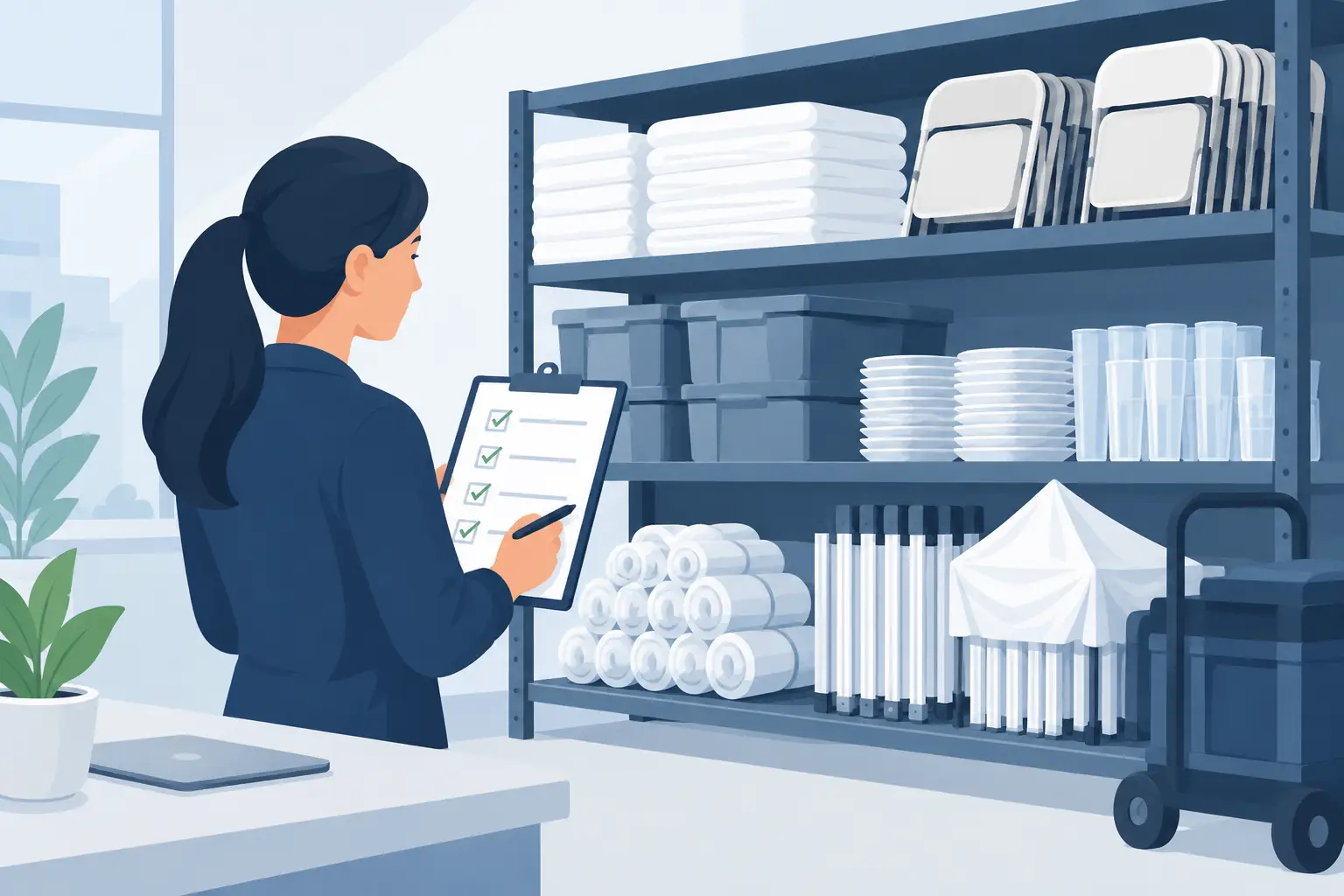
A baseline should also include an inventory of items guests commonly move, use heavily, or accidentally damage. At a Lake Texoma vacation rental, this may include patio seating, grills, fire pits, dock-related items where applicable, game equipment, kayaks, towels, and kitchenware. The level of detail should match the value and replacement difficulty of the item. There is little value in individually counting every spoon, but a missing smart TV remote, broken paddleboard, or damaged outdoor dining set needs a clear reference point.
A room-by-room method reduces missed details and produces cleaner documentation. Walk the property in the same order every turnover. Start at the exterior and entry points, then move through common spaces, bedrooms, bathrooms, kitchen, utility areas, and outdoor amenities.
Before evaluating cosmetic concerns, inspect items that could affect guest safety or prevent the next stay from proceeding. Test exterior and interior door locks, smart locks, gates, windows that should secure, smoke and carbon monoxide detectors, lighting in key areas, HVAC operation, water flow, and visible plumbing leaks.
Pay close attention to conditions that may not look like traditional damage. A tripped GFCI outlet, a nonfunctioning garbage disposal, a dead smart-lock battery, or an air conditioner that will not cool properly can create an immediate operational issue. These findings should be routed to the appropriate local vendor without waiting for a routine maintenance cycle.
Inside the home, examine floors for new stains, burns, gouges, moisture damage, and excessive sand or debris. Check walls, doors, baseboards, and furniture for holes, scuffs beyond routine use, broken hardware, scratches, and stains. Lift cushions where practical, inspect mattress protectors during linen changes, and look under beds and sofas for discarded items or damage that a surface-level walk-through misses.
In the kitchen, check countertops, cabinet doors, appliance fronts, cookware, dishes, and small appliances. Run the dishwasher if the turnover schedule permits, inspect the refrigerator for spills or odors, and confirm that the oven, microwave, and coffee maker are clean and operational. Broken glass, damaged cooktops, and grease buildup deserve immediate attention because they can become both safety and guest-experience concerns.
Bathrooms require a close inspection of toilets, faucets, shower doors, fixtures, mirrors, and flooring around the tub or shower. Water damage often begins with a minor leak or failed caulk line. Catching it between stays is far less costly than discovering it after moisture has affected flooring, drywall, or cabinetry.
Outdoor spaces are a major part of the stay experience in the Texoma market, and they are exposed to weather as well as guest use. Inspect patio furniture, grills, fire pits, railings, steps, exterior lighting, trash areas, and any recreational equipment. Look for storm-related issues separately from guest-caused damage. Wind, hail, heat, and seasonal debris can all affect a property’s condition, and misclassifying the cause can lead to an unfair guest claim and delay the right repair response.
If the property has a hot tub, pool, dock, or waterfront access feature, the inspection should follow a defined safety protocol. These amenities may require vendor-level assessment rather than a basic turnover check. When there is uncertainty, protect the next guest and the asset first by restricting use until the condition is confirmed.
A disciplined inspection process does not treat every imperfection as guest damage. Normal wear happens over time through ordinary, expected use. Faded upholstery, minor carpet traffic patterns, aging grout, gently worn cabinet pulls, and small scuffs in high-traffic areas may be maintenance items rather than chargeable damage.
Damage is usually sudden, excessive, or outside reasonable use. Examples include a broken lamp, pet-related stains where pets are not permitted, large wall holes, cigarette burns, shattered glass, missing property, or furniture that has been broken or moved in a way that causes damage.
Context matters. A scratched outdoor chair after several busy seasons may be ordinary depreciation. The same chair with a freshly cracked frame and a matching incident report may be a guest-related issue. Review the baseline, current photos, maintenance history, and cleaner observations before making a decision. Fair, consistent judgment protects owners while reducing unnecessary disputes.
When an issue is identified, document it before cleaning, repairing, or disposing of the affected item whenever possible. Take clear photos from a distance to establish location, then close-up images that show the condition. Video can be useful for appliance malfunctions, leaks, or loose fixtures, but it should supplement rather than replace still photos.
The record should state the checkout date, reservation associated with the finding, room or location, description of the condition, and estimated impact on operations. If a vendor is needed, retain the invoice, assessment, and before-and-after photos. This creates a transparent file for the owner and gives the management team a factual basis for any guest communication or platform claim.
Avoid accusations in early documentation. Write “three-inch burn mark on living room rug near sofa” rather than “guest burned the rug.” The first statement is observable and useful. The second reaches a conclusion before the evidence has been reviewed.
Not every issue needs the same response. Minor cosmetic findings can often be logged and scheduled for repair during a maintenance window. Issues affecting safety, security, water, HVAC, sanitation, or essential amenities should be escalated immediately.
A practical system assigns each finding a priority level. Emergency conditions require immediate action and may affect the next booking. Urgent conditions need prompt vendor coordination before arrival. Routine conditions are documented, monitored, and repaired on a planned schedule. This structure prevents both overreaction to minor issues and underreaction to problems that can disrupt occupancy or create larger losses.
Remote owners should receive concise reporting that explains what was found, what action was taken, the expected cost when known, and whether the upcoming reservation is affected. Visibility is not a flood of messages. It is timely information tied to a clear operational decision.
The strongest inspection programs are repeatable. They use trained local staff, defined checklists, photo standards, vendor escalation paths, and final guest-ready verification. They also recognize that the process must fit the property. A one-bedroom condo does not need the same inspection depth as a waterfront home with multiple outdoor amenities, but both need consistency.
Texoma Host Solutions applies this type of local oversight to help owners maintain hospitality-grade standards between stays. A physically present team can verify conditions, coordinate qualified vendors, and resolve issues before they become a guest complaint, an avoidable refund, or a costly surprise.
A rental property earns trust one stay at a time. When every departure triggers a careful inspection and every finding has an accountable next step, owners can stay informed from anywhere while their home remains protected and ready for the next guest.

 (903) 933-6100
 info@texomahostsolutions.com
