A missing television remote is inconvenient. A broken exterior door lock, stained sectional, or damaged boat dock can interrupt upcoming reservations and expose a remote owner to real revenue loss. This guide to Airbnb damage protection explains how to build a controlled process around prevention, documentation, guest communication, and recovery – not simply rely on a platform program after something goes wrong.
For Lake Texoma and North Texas vacation rentals, damage protection is part of property operations. The goal is to keep the home safe, guest-ready, and financially protected while maintaining the records needed to respond quickly when an issue occurs.
Many hosts use “Airbnb damage protection” as a catch-all term. In practice, several separate safeguards may be involved: Airbnb’s host protection program, a host’s own insurance policy, a security deposit or payment process where available, guest screening standards, house rules, inspections, and maintenance controls. Each has a different purpose.
Platform protection can be helpful, but it should not be treated as a replacement for proper insurance or operational oversight. Coverage terms, exclusions, documentation requirements, and claim procedures can change. Hosts should review the current terms in their Airbnb account and speak with an insurance professional about a policy written for short-term rental use.
The distinction matters because not every loss is a covered damage event. Normal wear, gradual deterioration, maintenance failures, and pre-existing conditions may not qualify for reimbursement. A faded rug, a failing appliance, or an aging fence is generally a property ownership issue, even if a guest is the first person to report it.
A disciplined host separates routine upkeep from sudden guest-caused damage. That separation creates cleaner records, more credible claims, and better decisions about when to repair, replace, or submit a report.
The strongest damage claim begins before a guest checks in. If there is no reliable record of an item’s condition before arrival, it becomes harder to establish what changed during the stay.
A turnover inspection should document high-value and high-risk areas consistently. This includes furniture, televisions and electronics, mattresses, linens, cookware, exterior doors, windows, grills, hot tubs, pools, game rooms, and outdoor amenities. At lake properties, docks, patio furniture, fire pits, kayaks, golf carts, and water-access equipment deserve particular attention.
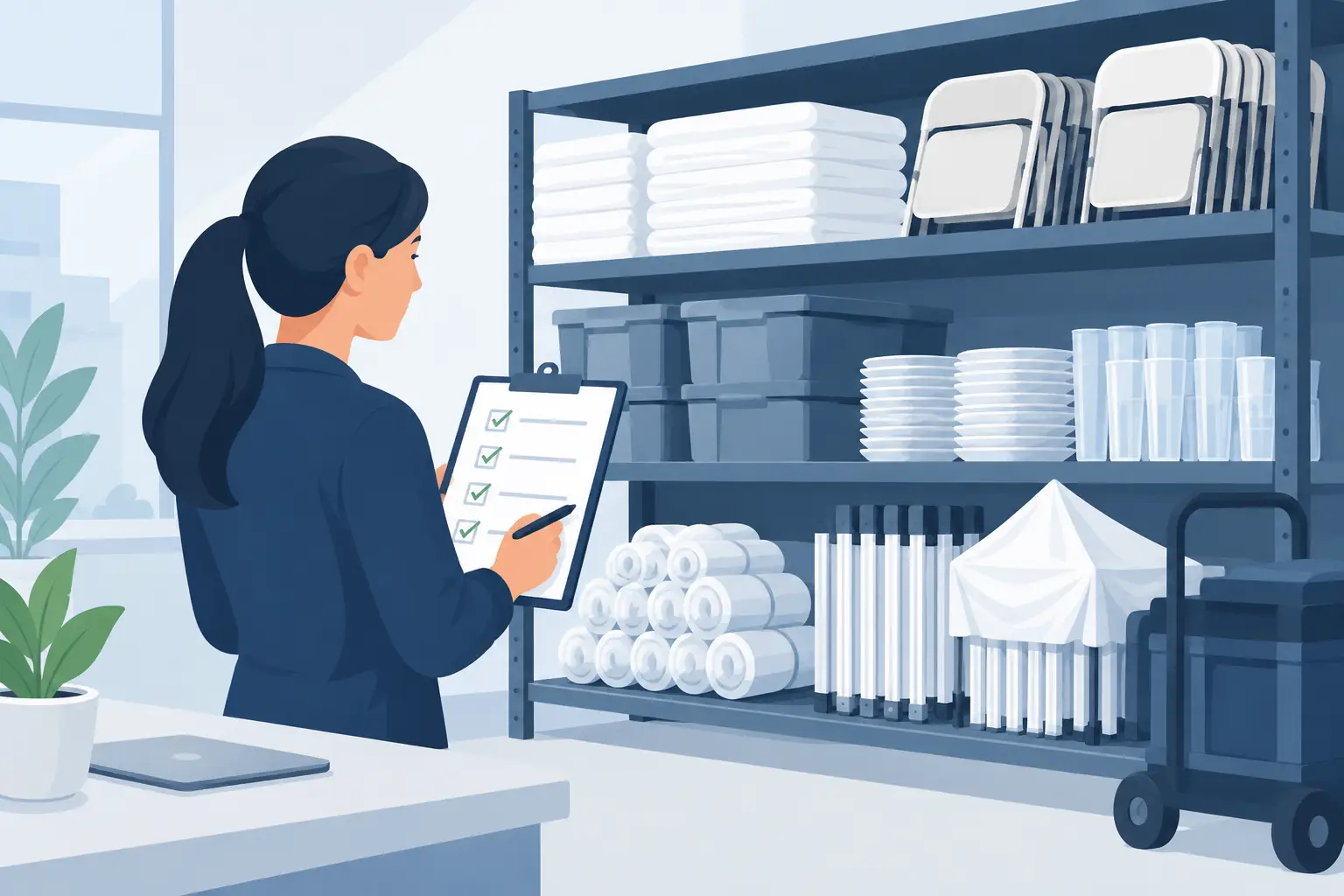
Photos should be clear, date-stamped when possible, and organized by room or area. A quick video walkthrough can provide useful context, but it does not replace close photos of existing marks, stains, cracks, or damage-prone surfaces. Inventory records should include model numbers, receipts, replacement values, and serial numbers for more expensive items.
This is where cleaning coordination has a direct impact on asset protection. A cleaner who only resets beds and replenishes towels may miss early signs of misuse. A hospitality-grade turnover team follows a defined inspection standard, flags concerns immediately, and provides the operator with usable evidence before the next guest arrives.
For absentee owners, the timing is critical. Waiting until a guest complains during the next reservation can make the source of damage impossible to determine. Prompt inspections protect both the claim record and the guest experience.
Most damage prevention is not confrontational. It comes from setting accurate expectations, removing avoidable risks, and making it easy for guests to use the property correctly.
The listing should accurately describe occupancy limits, parking capacity, pet rules, smoking restrictions, dock access, hot tub expectations, and any security features used in compliance with platform rules and local laws. Do not bury critical rules in a long block of text. Repeat the most important expectations in booking messages and the house manual.
Clear instructions reduce accidental damage. Guests should know how to operate smart locks, thermostats, fireplaces, grills, pool equipment, and entertainment systems. Labeling shutoff valves, providing appliance instructions, and using durable furnishings in high-traffic spaces can reduce unnecessary service calls and replacement costs.
Hosts should also evaluate the property itself. A home designed for full-time owner use may need adjustments before it functions well as a vacation rental. Fragile decor, unsecured rugs, unrestricted supply closets, expensive white upholstery, and poorly maintained exterior features create predictable exposure. The right approach depends on the home’s positioning and guest profile, but the standard should be practical: preserve the quality guests expect without placing irreplaceable items in constant use.
When damage is discovered, speed and professionalism matter. An emotional message or an unverified accusation can make a manageable issue harder to resolve. Start with the facts, confirm the condition against pre-stay records, and protect the property from additional loss.
A consistent response process should include these steps:
If there is a safety issue – such as broken glass, a damaged lock, water intrusion, or compromised electrical equipment – secure the area first. Revenue recovery is secondary to preventing injury and avoiding a canceled upcoming stay.
Communication should stay factual. Explain what was found, include supporting images where the platform permits, state the requested amount, and avoid speculation. A guest may offer an explanation or agree to a resolution. If they dispute the request, the quality of the documentation becomes even more important.
Do not inflate claims to offset general operating costs. Accurate, well-supported requests are more defensible and support a professional guest relationship. They also create better data for owners who need to understand whether a property has an isolated incident or a recurring operational problem.
Airbnb’s programs can provide a path for certain eligible damage claims, but they are not a full risk-management plan. Hosts should understand the difference between platform-administered protection and an insurance policy that addresses the property, liability exposure, loss of income, and other risks relevant to their ownership structure.
Coverage can depend on the property type, the item involved, the cause of loss, the quality of evidence, and whether required reporting steps were followed. Some categories of property or circumstances may be limited or excluded. A claim may also require proof of ownership, original purchase information, or a reasonable replacement estimate.
That is why a host should maintain short-term rental-appropriate insurance independently of any platform benefit. Review liability limits, personal property coverage, dwelling coverage, deductible amounts, vacancy provisions, pool or dock liability, and whether business activity changes the policy terms. Owners with waterfront access or higher-value amenities should be especially precise about what their policy covers.
A local operator cannot rewrite an insurance policy, but they can reduce gaps caused by delayed discovery, weak vendor coordination, or incomplete reporting. Texoma Host Solutions uses structured property oversight and turnover coordination to help owners maintain better visibility into the condition of a home between stays.
Every incident should lead to a practical review. If wine stains repeatedly appear on the same upholstered dining chairs, the answer may be stain-resistant seating rather than repeated claims. If guests regularly damage a gate, a clearer access design or more durable hardware may be the better investment.
Track incidents by category, cost, season, booking length, and location in the home. Over time, that record can reveal whether the issue is tied to a specific amenity, a maintenance pattern, unclear instructions, or a guest behavior concern. It can also support smarter reserve planning for furnishings and replacements.
The best protection process is rarely the one that produces the most claims. It is the one that keeps damage from becoming a surprise, addresses problems before the next arrival, and gives the owner a clear record of what happened and what it cost. For remote Lake Texoma owners, that level of local accountability turns damage protection from a hopeful fallback into a controlled operating standard.

 (903) 933-6100
 info@texomahostsolutions.com
