
A second home can become an income-producing asset, but only when it is prepared to perform like a hospitality property rather than an occasional personal retreat. Understanding how to prepare second homes starts with a shift in standards: the property must be safe, clean, stocked, maintained, and ready for a guest without requiring the owner to drive over and solve a problem.
For owners who live outside the Lake Texoma or North Texas market, that preparation is not a one-time checklist. It is an operating system. The right structure protects the home, supports better reviews, reduces preventable maintenance costs, and gives guests confidence from the moment they book.
Before buying supplies or creating a listing, decide how the home will be used. A property reserved mostly for family use requires a different operating plan than one intended for frequent Airbnb or VRBO bookings. The decision affects furnishing choices, owner storage, booking availability, cleaning standards, and the level of revenue the property can realistically produce.
Many owners want both personal access and rental income. That can work well, but the calendar needs clear rules. Block personal dates early, allow enough time for turnover before and after owner stays, and avoid leaving personal belongings throughout the home. Guests should not feel as though they are staying in someone else’s unfinished weekend house.
A strong rental setup also considers the local guest. Lake homes may attract families, fishing groups, couples, and holiday travelers, while North Texas properties may serve event guests, weekend visitors, and business travelers. Bed configuration, outdoor seating, parking capacity, pet policies, and amenities should match the demand you intend to capture.
Guest readiness begins with basic safety and property protection. This work is not optional, and it should not be postponed until the first booking arrives. A clean-looking home with unresolved safety issues creates risk for the owner, the guest, and the property’s reputation.
Confirm that smoke detectors and carbon monoxide detectors are installed where required, tested, and replaced on a documented schedule. Fire extinguishers should be visible, current, and easy to access. Secure loose railings, repair uneven steps, inspect decks and docks, and make sure exterior lighting works at entrances, walkways, and parking areas.
Water, electricity, HVAC equipment, and appliances deserve the same attention. Check for leaks under sinks, around toilets, and near water heaters. Test GFCI outlets, inspect dryer vents, and service HVAC systems before peak seasons. In the Texoma area, severe weather, heat, freezing temperatures, and storm-related outages can expose weaknesses quickly.
The property should also have a clear emergency plan. Guests need simple instructions for reporting urgent issues, locating shutoff information when appropriate, and responding to weather alerts. The goal is not to overwhelm them with paperwork. It is to provide calm, usable direction when something unexpected happens.
A rental home needs furnishings that look inviting and can handle regular use. That does not mean choosing the cheapest items available. It means selecting durable pieces that are easy to clean, easy to replace, and appropriate for the home’s nightly rate.
Choose washable bedding, stain-resistant seating where possible, sturdy dining chairs, and surfaces that do not require specialized care after every stay. Keep décor intentional but limited. A crowded home is harder to clean, easier to damage, and more likely to feel disorganized in listing photos.
Bedrooms should be consistent and practical. Provide quality mattresses, mattress protectors, blackout window coverings when suitable, bedside lighting, accessible outlets, and enough storage for the expected number of guests. A well-prepared bedroom is one of the clearest drivers of guest satisfaction because it affects the entire stay, not just the first impression.
The kitchen should support the property’s stated occupancy. If a home sleeps eight, it needs enough plates, glasses, utensils, cookware, and seating for eight people to use comfortably. Stocking only four of everything creates friction and increases the chance of poor reviews. At the same time, avoid filling cabinets with duplicate or low-quality items that make inventory difficult to control.
Second homes often lose money through small operational gaps: missing towels, depleted coffee supplies, broken cookware, dead remote batteries, and cleaning teams arriving without the products they need. These are not dramatic failures, but they create repeated guest complaints and unnecessary owner expense.
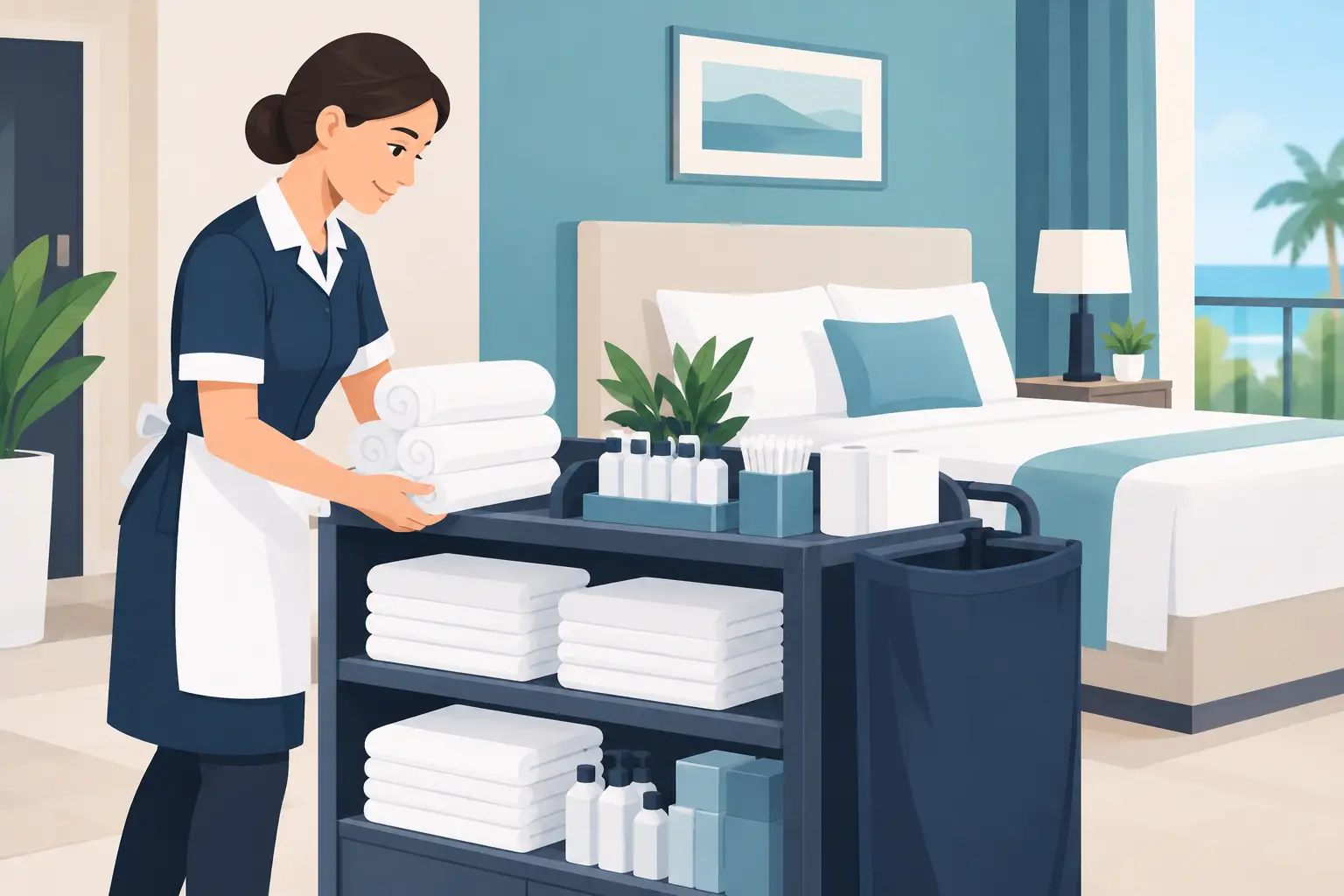
Set par levels for essential supplies. This means establishing a minimum quantity that should always be on hand, then replenishing before it runs out. Linens, toiletries, paper goods, trash bags, dish products, laundry supplies, light bulbs, batteries, and basic cleaning materials all need defined standards.
A practical supply system should identify where backstock is stored, who can access it, and who is responsible for checking it after each turnover. Keep owner-only items in a locked closet or cabinet. This protects personal belongings while giving the cleaning and operations team a clear division between guest inventory and private inventory.
For properties with pools, hot tubs, boats, golf carts, grills, or fire pits, create separate equipment standards. These amenities can improve booking appeal, but they also require inspection, cleaning, safety rules, and routine service. An amenity that is unavailable or poorly maintained can do more damage to a review than having no amenity at all.
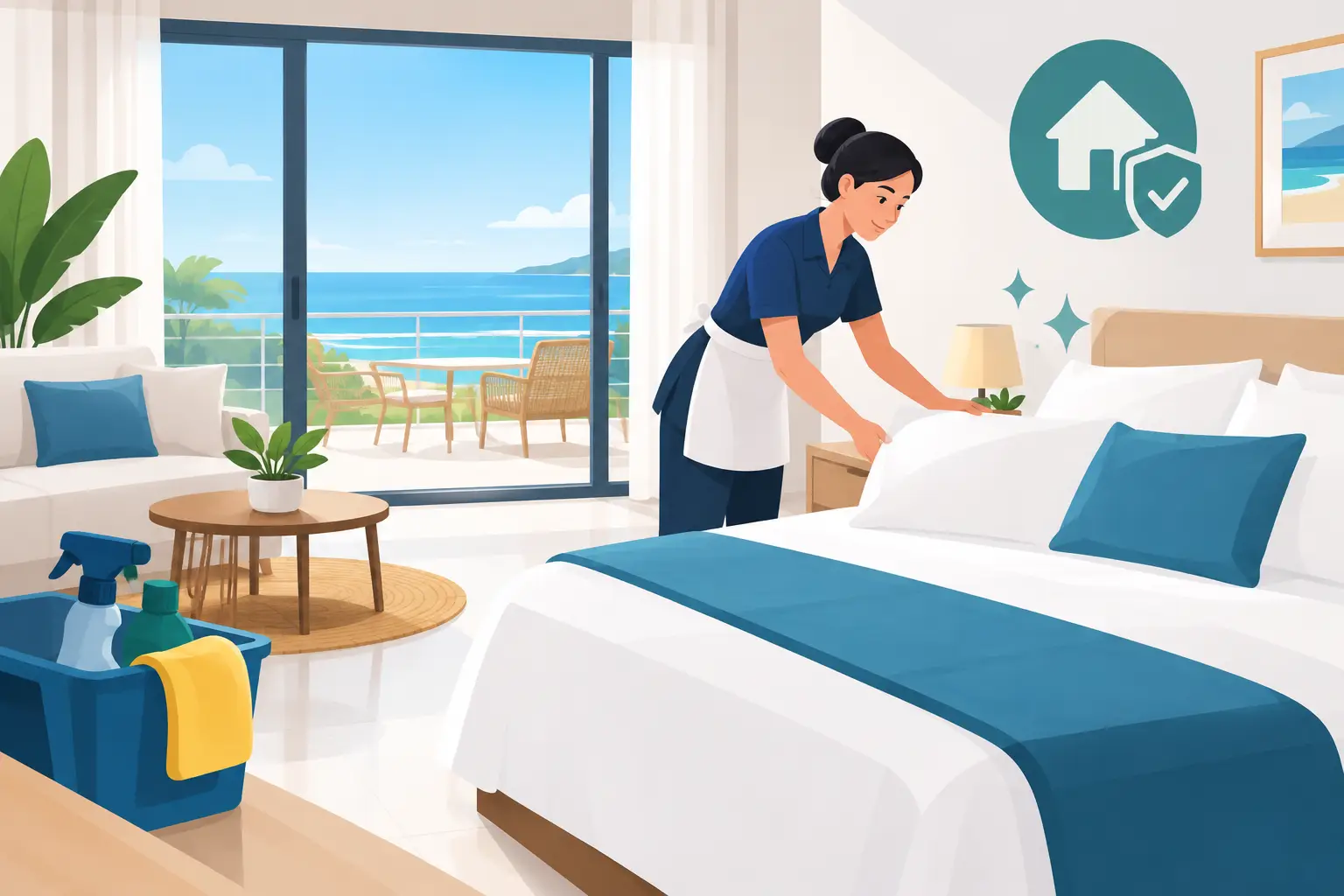
A standard residential clean is not enough for a short-term rental. Guests compare the home to hospitality expectations, and cleanliness is one of the fastest ways to earn trust or lose it. Every turnover should include cleaning, linen service, damage checks, supply checks, and a final readiness review.
The best process uses a room-by-room checklist rather than relying on memory. Kitchens need appliance checks and food removal. Bathrooms need fresh linens, sanitized surfaces, and tested fixtures. Bedrooms need bed presentation, under-bed inspections, and confirmation that remotes, lamps, and outlets work. Exterior areas need attention as well, especially patios, grills, entryways, and trash areas.
Photos or documented checklists add accountability, particularly for remote owners. They create visibility into the property’s condition and make it easier to identify recurring issues before they become expensive repairs. Hospitality-grade cleaning is not simply a guest service. It is a form of asset protection.
Remote owners should not wait for a guest to report a problem before identifying a plumber, HVAC technician, electrician, locksmith, pest provider, or handyman. Build a vetted local vendor network before the home begins accepting bookings. Confirm who has access, how approval limits work, and how invoices will be handled.
Preventive maintenance should be scheduled around the property’s systems and seasons. HVAC servicing, pest control, gutter cleaning, septic inspections when applicable, pool service, landscaping, roof checks, and winterization all need an owner-approved cadence. A maintenance calendar protects the home and helps avoid taking the listing offline during high-demand dates.
It also helps to establish spending thresholds. For example, a local manager may be authorized to approve minor repairs up to a defined amount when they affect guest safety, security, or an active reservation. Larger repairs can require owner approval. Clear boundaries speed up response without removing owner control.
The central challenge of a second home is distance. Owners need confidence that someone is checking the property between guests, coordinating vendors, monitoring supplies, and responding when conditions change. A listing platform alone cannot provide that level of oversight.
Use documented reporting for inspections, maintenance needs, guest damage, completed work, and major supply purchases. Review performance regularly, including occupancy, nightly rate, booking pace, guest feedback, and recurring operating costs. Revenue optimization matters, but it only works when the home is consistently ready to deliver the experience promised online.
Texoma Host Solutions approaches second-home coordination with this local, accountable structure: property oversight, guest communication, turnover coordination, vendor management, supply monitoring, and performance-focused listing support working together rather than as disconnected tasks.
The final preparation step is communication. Guests need accurate arrival instructions, parking details, Wi-Fi information, house rules, checkout expectations, and a reliable way to request help. Instructions should be concise and easy to find, not buried in multiple messages.
Accuracy matters just as much as friendliness. Do not advertise lake access, boat parking, pet accommodations, fireplace use, or sleeping capacity unless the home can reliably provide it. Honest expectations lead to better-fit bookings and fewer disputes.
A well-prepared second home gives owners more than a polished listing. It creates a controlled operating environment where guests are cared for, the asset is protected, and distance does not become a daily management problem.


 (903) 933-6100
 info@texomahostsolutions.com
