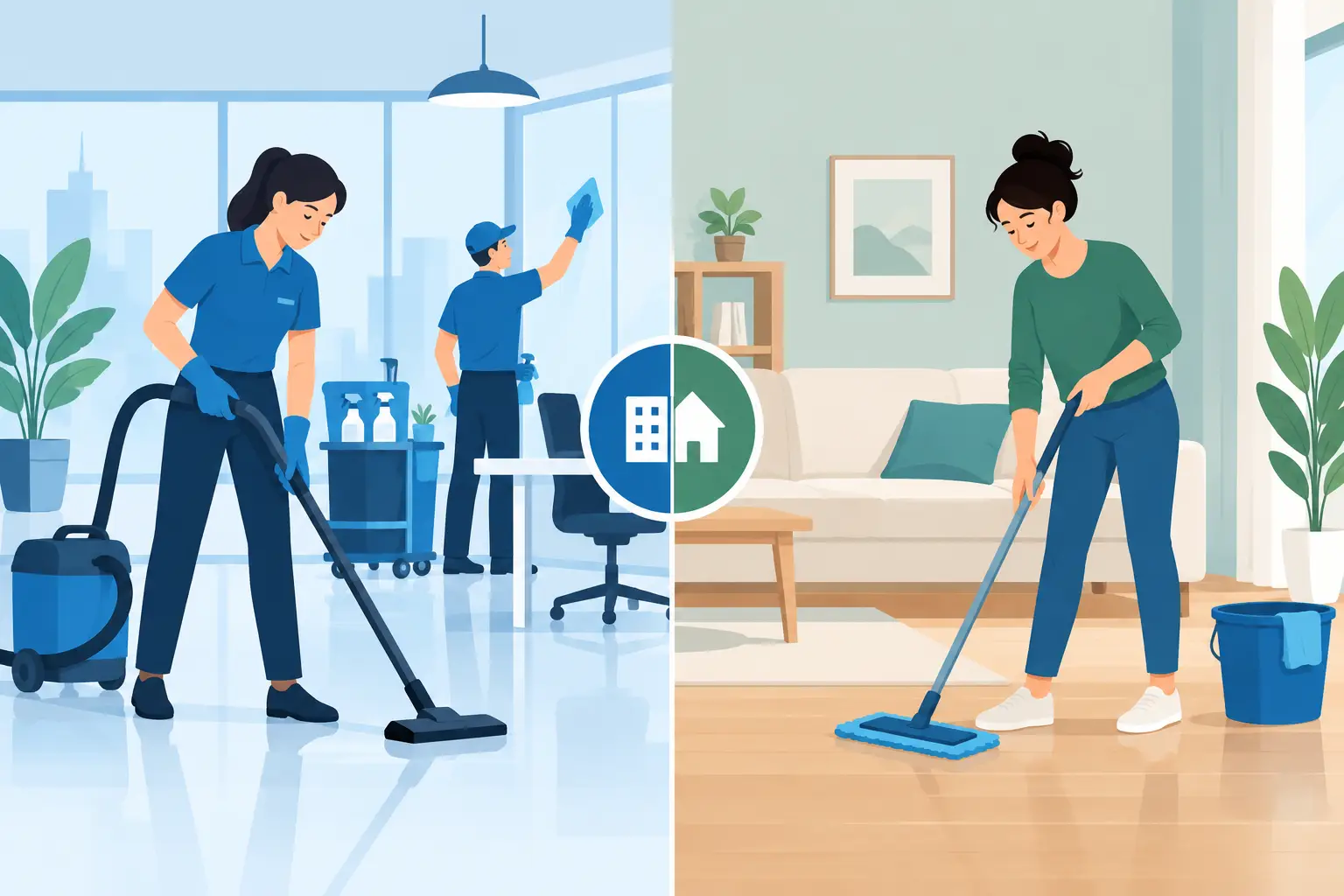
A turnover is not simply a cleaning appointment. For a short-term rental, it is the operating window between one guest’s experience and the next guest’s first impression. The decision between outsourced cleaning versus owner cleaning affects response time, inspection quality, guest reviews, maintenance visibility, and how much control an owner can realistically maintain from outside the Lake Texoma market.
For some owners, handling cleaning personally seems like the clearest way to protect the property and reduce costs. For others, a dedicated local cleaning team creates the structure needed to keep a rental guest-ready through busy weekends, last-minute bookings, and back-to-back turnovers. The better option depends on the property, the owner’s location, booking volume, and the standards required to protect rental income.
Guests do not separate cleanliness from the rest of the stay. A missed stain, depleted toiletries, unreported damage, or a delayed turnover can influence reviews just as much as an issue with the home itself. On a vacation rental platform, one poor cleanliness review can weaken booking confidence long after the checkout date.
Cleaning also creates one of the most frequent in-person touchpoints at the property. Whoever completes the turnover is often the first person to see broken furniture, a leaking appliance, missing linens, excessive wear, or signs that a guest ignored house rules. That makes cleaning an operational control point, not a task to treat as an afterthought.
For absentee owners, the central question is not whether they can clean the home well. It is whether they can consistently coordinate, inspect, replenish, document, and resolve issues at the pace the rental calendar requires.
Owner cleaning provides direct control. The owner chooses the products, checks every room personally, and can decide how much time each turnover requires. This can work well for a lightly booked second home when the owner lives nearby, has schedule flexibility, and uses the property often enough to monitor its condition.
The limitations become clear when bookings increase. A Friday checkout followed by a same-day arrival leaves little room for a delayed drive, family obligation, weather event, or unexpected maintenance need. If the owner lives hours away, even a small turnover issue can become a costly disruption for both the guest and the property.
Outsourced cleaning adds a service cost, but it can establish dependable coverage and clearer accountability. The strongest arrangement is not simply hiring someone to clean. It is using a local team with documented turnover standards, supply expectations, inspection procedures, and a direct path for reporting property issues.
That structure is especially valuable in Lake Texoma and North Texas, where weekends, holidays, lake events, and seasonal demand can create concentrated turnover volume. A rental needs local execution when the owner cannot be on-site.
Owners often compare the price of a professional turnover to the apparent cost of doing it themselves. That comparison is incomplete if it excludes travel, time, schedule disruption, supplies, laundry, emergency calls, and the financial impact of an avoidable guest complaint.
Personal cleaning may have a lower cash expense, but an owner should assign a realistic value to each trip and each hour spent preparing the home. For a remote owner, the cost can include fuel, lodging, missed work time, and the risk of arriving too late to correct a problem before check-in.
Professional cleaning is more predictable when the scope is clear. A defined turnover rate can include labor, linens, restocking coordination, and condition reporting, while deep cleaning, excessive messes, or specialty work are handled separately. This approach provides transparency. Owners know what the standard turnover covers and can identify exceptions without guessing where costs originated.
The lowest cleaning fee is not always the best operating decision. A cheaper provider who misses a turnover, does not report damage, or leaves the home below guest expectations can create more expensive problems than a higher-quality team with reliable processes.
Not all outsourced cleaning is hospitality-grade cleaning. A residential cleaner may do excellent work in an occupied home but may not be prepared for the checklist-driven timing of a short-term rental. Vacation rentals require rooms to be reset consistently, not merely cleaned.
A dependable turnover should address the visible basics, including bathrooms, kitchens, floors, beds, trash, and high-touch surfaces. It should also confirm that the property is staged correctly for the next guest. That includes clean and properly placed linens, operating remotes, stocked essentials, acceptable thermostat settings, secured entry points, and a final visual check before arrival.
The cleaning team should have a process for exceptions. If a prior guest leaves damage, takes an item, causes an odor, or creates a level of mess beyond a normal turnover, the issue needs prompt documentation and notification. Without that process, owners often learn about problems only when the next guest complains.
At Texoma Host Solutions, cleaning coordination is treated as part of property oversight. A dedicated in-house short-term rental cleaning team works within the same local operating structure as guest support, vendor coordination, and supply monitoring. That alignment reduces handoffs and makes it easier to address problems before they affect an arrival.
Owner cleaning is not automatically the wrong choice. It can be practical when the owner is local, the property has limited bookings, and the owner genuinely wants a hands-on role in preparing the home. Some owners also prefer to complete occasional inspections personally, particularly after renovations or before peak season.
The arrangement works best when there is a backup plan. Illness, travel, overlapping bookings, and urgent repairs do not wait for a convenient calendar. An owner who manages cleaning personally should still have reliable local contacts for emergency turnovers, laundry support, maintenance access, and guest issues.
Owner cleaning can also be useful as a temporary approach during a property launch. It gives the owner a close view of how long turnovers take, which supplies are used most often, and where the home may need operational adjustments. Once bookings become more frequent, those observations can help build a stronger outsourced process.
Outsourced cleaning is generally the stronger model for owners who live outside the market, operate multiple rentals, or want income without managing every turnover. It is also better suited to homes with frequent same-day checkouts and arrivals, larger guest capacity, or elevated amenities that require detailed resets.
Look for a provider that can do more than arrive with cleaning supplies. The team should understand check-in deadlines, have a consistent checklist, communicate deficiencies quickly, and coordinate with maintenance when a problem appears. Local availability matters because guest-ready status cannot wait for a distant manager to return a call.
A well-managed cleaning operation also improves visibility. Photo documentation, condition notes, supply alerts, and confirmed completion give owners practical information without requiring constant involvement. That is the difference between delegating a chore and maintaining control through an accountable system.
Before deciding, owners should evaluate the operating reality of the property rather than the ideal scenario. Four questions usually reveal the right direction:
If the answer to these questions depends on the owner being able to drive to the property, the operation may not be scalable or dependable enough for a remote rental.
The goal is not to remove the owner from every decision. It is to remove unnecessary uncertainty. Whether cleaning is owner-managed or outsourced, the property needs written standards, a supply plan, a reliable inspection process, and a clear escalation path for exceptions.
For owners who want to stay involved, a local cleaning team can still provide the operating foundation while the owner retains approval over major expenses and property decisions. For owners who want a fully hands-off model, cleaning can operate as one coordinated part of guest communication, maintenance response, and ongoing property performance.
A rental that is consistently clean, stocked, inspected, and ready on time gives guests confidence before they ever unpack. That confidence protects reviews, supports occupancy, and lets an owner treat the property as an asset rather than a recurring weekend obligation.




 (903) 933-6100
 info@texomahostsolutions.com
